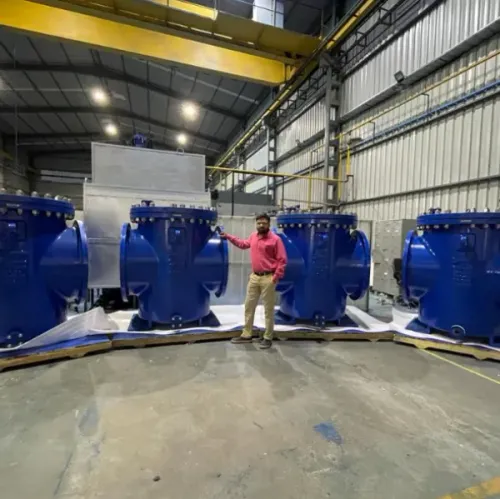

Long internal passages turn an apparently simple coating job into an access, preparation, application and inspection problem. By the end, you will know how to specify the equipment, control the coating process, inspect the far end and decide when a spool needs dual-end access or a different coating plan.
Key takeaways
- Use articulated spray equipment to reach shadowed bore areas.
- Abrasive-blast steel to the specified cleanliness and surface profile.
- Measure wet and dry film thickness across the full spool length.
- Specify repair materials, holiday testing and post-coating handling controls.
Why a long spool develops misses, thin spots and shadowed areas
Line-of-sight access is the main reason a long spool develops misses, thin spots and shadowed areas: the spray pattern reaches a straight bore, but not every surface beyond its angle.
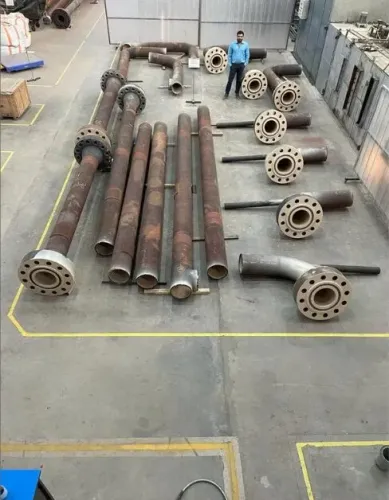
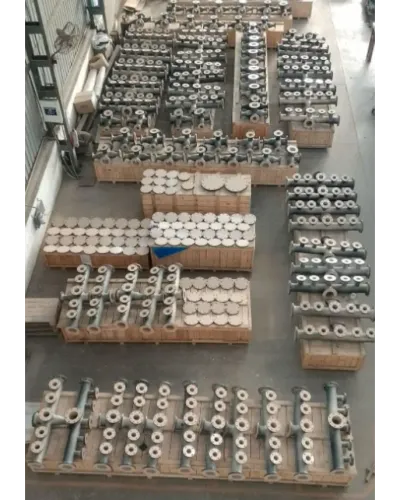
A tank gives the applicator broad access, while a short fitting limits the distance; a long spool compounds distance with minimum internal diameter, elbows, branches, reducers, socket transitions, circumferential welds, weld toes, flange openings and machined interfaces.
Liquid glass-flake systems and FBE demand different controls.
| Process | Equipment and cure | Typical access consequence |
|---|---|---|
| Liquid epoxy, vinyl ester or polyester | Pump and spray lance; ambient or forced cure set by the product data sheet | Lance reach, rotation, ventilation and wet-film control govern coverage |
| FBE | Heated dry powder melts and fuses to prepared steel | Requires heating, powder application and defined repair procedures, not liquid-spray equipment |
A glass flake coating spool can be coated from one end when the lance reaches the full length and the specification permits it.
Use dual-end access when the far end, backs of bends, branch connections or reducer surfaces fall outside the spray pattern; otherwise the glass flake coating for problems industrial spools becomes a predictable access failure, not an applicator mystery.
Coating after fabrication gives continuous film across circumferential welds, but restricts internal reach. Pre-coated pipe improves access and uniformity, yet field welds, heat-affected zones and handling damage need separate preparation and repair. The specification must state spool length, minimum bore, fittings, lance arrangement and whether the spool rotates.
How to prepare the internal steel before glass-flake application
Disbondment starts with contamination, not with a thickness reading. Degrease the bore and remove oil, salts, mill scale, rust, weld spatter, slag, sharp undercut and unacceptable weld projections before blasting. Grind weld defects smooth without creating grooves the coating cannot fill.
Use this preparation sequence for an internal spool coating service:
- Abrasive-blast to SSPC-SP 10/NACE No. 2, or the equivalent ISO 8501-1 near-white-metal grade.
- Use clean, dry abrasive and remove particles trapped at weld toes, branches and bore transitions.
- Measure the anchor profile against the coating manufacturer’s specified range; do not assume one universal value.
- Vacuum or blow out dust, then perform the specified surface-dust check.
- Apply the permitted stripe coat to welds, edges and difficult geometry before full application.
- Apply the glass-flake system within its stated flash-rust and recoat limits.
Check the steel temperature and dew point at the flange, centre and far end. Keep the substrate at least 3 °C above dew point when the product data sheet or project specification requires it; the far end can be colder than the accessible flange.
| Station | Check | Failure if missed |
|---|---|---|
| Flange and machined bore | Masking and coating stop | Sealing or clearance interference |
| Weld toes and branches | Abrasive removal and stripe coverage | Trapped grit or thin film |
| Far end | Temperature, dust and flash-rust check | Condensation or incomplete adhesion |
Mask flange sealing faces, gasket lands, threads, valve seats and machined bores exactly to the drawings. Confirm coating stop points and allowable edge build before spraying.
How applicators control thickness without creating runs or resin-rich defects
Glass flakes improve barrier performance only when resin fully wets and distributes them into a continuous, overlapping structure. Poor mixing, incorrect plural-component proportioning, over-thinning, agglomerated flakes or excessive spray shear can leave porous or resin-rich zones despite a correct nominal thickness.
Set the product-specific thickness range, maximum thickness per coat, recoat window and cure condition from the technical data sheet. Excess build at welds causes runs, sags, solvent entrapment, cracking, delayed cure or poor intercoat adhesion; low build at the far end or behind a branch leaves steel exposed.
Control the spray pattern with a written plan covering lance rotation, travel speed, spray overlap, pressure, nozzle distance and spool rotation.
| Defect | Likely control failure | Application response |
|---|---|---|
| Resin-rich area | Poor mixing, over-thinning or low flake wetting | Stop, verify mixing and ratio, then recoat only after preparing sound film |
| Porous area | Agglomerated flakes or excessive spray shear | Correct agitation, proportioning and spray settings; inspect again |
| Run or sag | Excessive local build at welds | Reduce overlap or travel speed error and respect maximum coat thickness |
| Thin or missed area | Shadowing, poor access or uneven lance travel | Recoat the prepared area after confirming coverage |
Wet-film readings are difficult in curved or narrow bores. Dry-film gauges also respond to probe access, curvature, weld crowns and flake orientation, so use a defined station pattern rather than a few flange-end readings.
Clean thin areas, abrade or otherwise prepare the sound coating as specified, apply compatible material, and measure again. Do not rely on a casual brush touch-up.
How to inspect, repair and preserve the coating after application
Prove the centre and far end separately; a few readings at the flange do not establish spool corrosion protection. Use controlled lighting for visual examination, then inspect each spool station with a defined dry-film-thickness sampling pattern. Where direct viewing is impossible, use a borescope or remote visual tool.
- Mark stations by distance from the flange, weld, branch or reducer. Record every pinhole, holiday, run, sag, dry-spray area, poor edge and impact defect against that location.
- Measure dry-film thickness at the specified points, including weld crowns, bends, branch backs and the far end. Curvature, probe access and glass-flake orientation can distort readings, so do not treat nominal thickness as proof of coverage.
- Confirm the coating is cured using the manufacturer’s stated time and temperature requirements, solvent-resistance test or other specified method. Do this before extraction, handling or hydrotesting; low temperature, trapped solvent and poor ventilation can leave the film soft.
- Apply holiday detection under ASTM D5162 only after confirming thickness, formulation, grounding and cure state. Use wet-sponge or high-voltage testing as the specification permits. The project specification and product data sheet must define voltage, calibration and acceptance limits; never copy a generic spark-test value.
- Locate and clean each defect, abrade or feather into sound coating, apply qualified compatible repair material, allow full cure and retest. A brush coat of generic epoxy is not an acceptable repair by itself.
Define hydrotest water quality, exposure duration, drainage, drying and post-test inspection. Chlorides or retained water can blister incomplete film, promote underfilm corrosion or activate a holiday.
What to put in the spool coating specification before choosing an applicator
A workable internal spool coating service starts with a geometry-and-duty specification, not the words “glass flake.” Name the resin chemistry, service fluid, immersion or atmospheric duty, operating and cleaning temperatures, abrasive-solids exposure, spool length, minimum bore, fittings, branch geometry, flange masking, access openings, rotation requirements, permitted lance configuration, and whether coating occurs before or after fabrication.
| Specify | What to record | Why it matters |
|---|---|---|
| Process duty | Epoxy, vinyl ester or polyester; fluid; temperature; immersion or atmosphere | Chemistry and cure must match exposure |
| Geometry | Length, minimum bore, elbows, reducers, branches and welds | Determines shadowing, lance reach and rotation |
| Access control | Openings, masked faces, lance limits and fabrication stage | Prevents inaccessible surfaces and damaged interfaces |
| Qualification | Sample or procedure inspection at centre, far end, weld toes, reducer transitions and branch backs | Proves coverage beyond the flange |
State SSPC-SP 10/NACE No. 2 or the specified ISO 8501-1 equivalent, the manufacturer’s anchor-profile range, dust and dew-point limits, thickness range, maximum coat build, recoat interval and cure-to-handle time. Long spools need environmental readings at multiple stations; keep steel at least 3 °C above dew point when the product data sheet or specification requires it.
- Attach an inspection map with station distances, visual checks, thickness readings and holiday-test locations.
- Define defect preparation, compatible repair material, feathering, retesting and hydrotest water quality, exposure, drainage, drying and post-test inspection.
- Request the proposed lance arrangement, product data sheet, station records and repair procedure.
Heatman Products Pvt Ltd belongs on a comparison list only after those controls are documented; a glass-flake claim alone does not prove spool corrosion protection.
Frequently asked questions
Why do long industrial spools develop missed areas and thin spots?
Limited line-of-sight access prevents the spray pattern from reaching surfaces behind bends, flanges, weld profiles and other shadowed areas.
How should internal steel be prepared before glass-flake coating?
Remove oil, rust, mill scale and weld contamination, then abrasive-blast to the specified cleanliness and surface profile before coating.
How do applicators control glass-flake coating thickness inside a spool?
They control spray angle, gun speed, overlap, resin mix and application passes, then verify wet and dry film thickness to prevent runs and resin-rich defects.
What inspections and repairs does an internal spool coating need?
Inspect coverage and thickness, perform holiday testing, repair defects with compatible material, and protect the lining from impact and contamination during handling.
Keywords