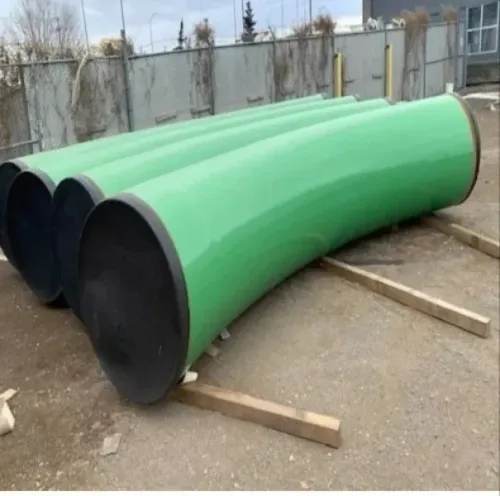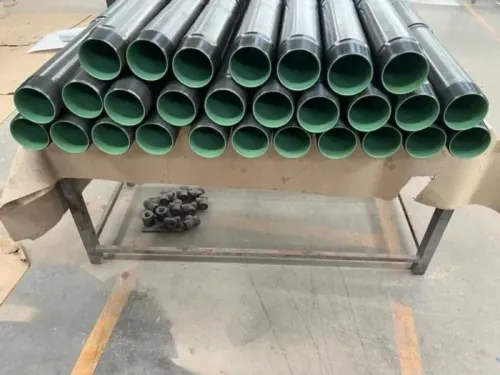
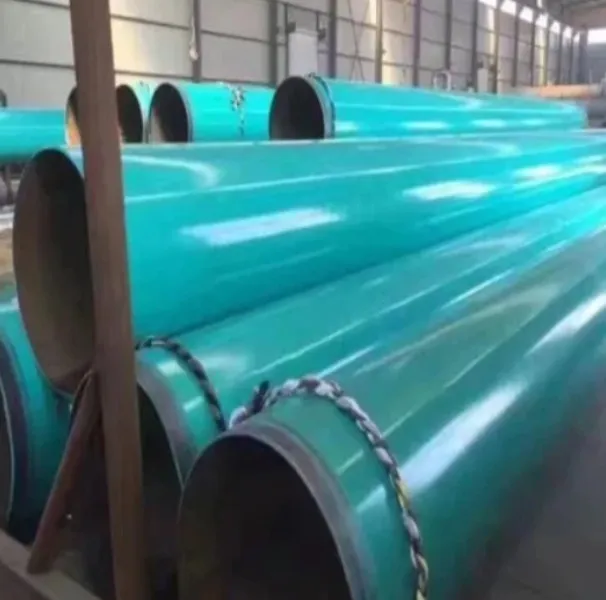
Corrosion is one of the biggest challenges faced by industries that depend on steel pipelines and structural components. Whether it is transporting water, oil, natural gas, chemicals, or industrial fluids, exposed steel can deteriorate over time when subjected to moisture, chemicals, and changing environmental conditions. This is where FBE coating plays a vital role.
Fusion Bonded Epoxy (FBE) coating has become one of the most trusted protective coating systems across industries because of its ability to create a durable barrier against corrosion. It combines excellent adhesion, chemical resistance, and long service life, making it suitable for demanding operating conditions.
Understanding FBE Coating
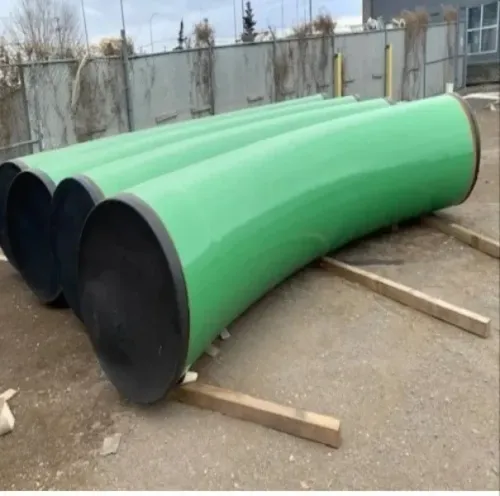
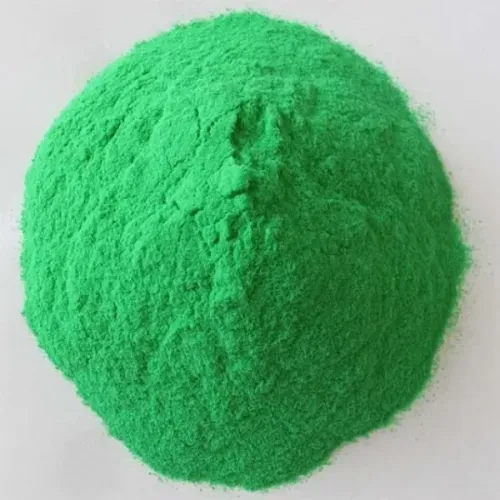
FBE coating is a thermosetting powder coating that is applied to a properly prepared steel surface. The steel is first heated to a specific temperature before the epoxy powder is sprayed onto it. The powder melts instantly upon contact with the heated metal and chemically reacts to form a hard, continuous protective layer.
Unlike conventional liquid paints, FBE coating does not rely on solvents. Once cured, it becomes an integral part of the steel surface, offering excellent resistance against corrosion, abrasion, and chemical exposure.
This coating technology has been widely adopted by industries worldwide because it provides consistent protection while requiring relatively low maintenance throughout the product's service life.
How the Coating Process Works
Although the application process may appear straightforward, achieving a high-quality coating requires careful control at every stage.
The typical process includes:
- Surface cleaning to remove oil, grease, and contaminants
- Abrasive blasting to achieve the required surface profile
- Heating the steel to the specified application temperature
- Electrostatic spraying of epoxy powder
- Melting and curing of the powder into a continuous film
- Cooling and detailed quality inspection
Each step contributes to the final coating performance. Even minor variations in surface preparation or curing temperature can affect adhesion and long-term durability.
Why Industries Prefer FBE Coating
One of the primary reasons for the popularity of FBE coating is its ability to protect steel from aggressive environmental conditions.
Some major advantages include:
- Excellent corrosion resistance
- Strong adhesion to steel surfaces
- High impact resistance
- Good chemical resistance
- Long operational life
- Uniform coating thickness
- Low maintenance requirements
- Environmentally friendly application due to the absence of solvents
Because of these properties, FBE-coated products are commonly used in projects where reliability and long-term protection are essential.
Common Industrial Applications
FBE coating is suitable for a wide variety of industrial sectors.
It is frequently used for:
- Oil and gas transmission pipelines
- Water distribution pipelines
- Fire protection pipelines
- Industrial process piping
- Structural steel
- Offshore infrastructure
- Petrochemical facilities
- Underground utility networks
Each application benefits from the coating's ability to withstand harsh operating environments while maintaining excellent adhesion over time.
Factors That Influence Coating Performance
The effectiveness of FBE coating depends on more than just the coating material itself.
Several factors determine overall performance:
Surface Preparation
A properly cleaned and blasted surface ensures maximum bonding between the steel and the epoxy layer.
Application Temperature
Steel must be heated within the recommended temperature range to allow proper melting and curing of the powder.
Coating Thickness
Maintaining the specified thickness is important for balancing protection, flexibility, and durability.
Inspection and Testing
Professional quality checks such as holiday testing, adhesion testing, thickness measurement, and visual inspection help ensure the finished coating meets project requirements.
Why Quality Standards Matter
Industrial coating projects often need to comply with internationally accepted quality standards. These standards help maintain consistency in coating thickness, adhesion, curing performance, and corrosion protection.
Selecting a manufacturer that follows established coating procedures and rigorous inspection practices contributes significantly to the long-term success of pipeline infrastructure.
Growing Demand Across Ahmedabad and Gujarat
Industrial development across Ahmedabad and other parts of Gujarat has led to increasing demand for advanced corrosion protection solutions. The region's strong presence in oil and gas, chemical manufacturing, water infrastructure, engineering, and fabrication industries has made protective coating technologies an essential part of many projects.
Businesses involved in large-scale infrastructure increasingly seek coating solutions that can withstand demanding operating conditions while minimizing maintenance costs over the asset's lifecycle.
Companies such as Heatman Products Pvt Ltd support these industrial requirements by offering specialized coating services designed for modern pipeline and steel protection applications.
Choosing the Right Coating Partner
While FBE coating offers exceptional protection, the final performance depends heavily on the expertise of the service provider. Experienced manufacturers invest in proper surface preparation systems, controlled application equipment, trained personnel, and comprehensive quality inspections.
Before selecting a coating partner, it is helpful to evaluate:
- Experience with industrial coating projects
- Manufacturing capabilities
- Quality control procedures
- Compliance with relevant industry standards
- Ability to handle different pipe sizes and project requirements
- Consistent inspection and testing processes
A reliable coating process not only improves corrosion resistance but also contributes to the safety, efficiency, and longevity of industrial assets.
As industries continue to prioritize durable infrastructure and lifecycle cost reduction, FBE coating remains one of the most effective solutions for protecting steel pipelines and components from corrosion in challenging environments.
Keywords