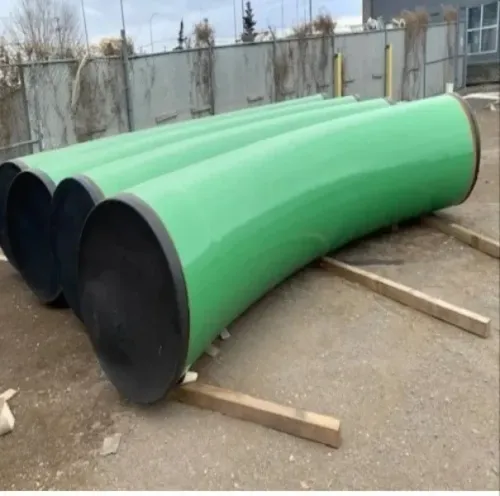
Industrial facilities operating in demanding environments require protective coatings that can withstand constant exposure to moisture, chemicals, abrasion, and changing weather conditions. Whether it is a chemical processing plant, an offshore structure, a water treatment facility, or a storage tank, corrosion can lead to expensive repairs, production delays, and reduced equipment life. This is why Glass Flake Epoxy coating has become a preferred solution for industries seeking long-lasting corrosion protection.
By combining the excellent adhesion of epoxy with the barrier properties of microscopic glass flakes, this coating system offers reliable performance in environments where ordinary coatings may not be sufficient. Understanding how Glass Flake Epoxy coating works and where it performs best helps project owners, engineers, and maintenance teams choose a solution that supports long-term asset protection.
What Is Glass Flake Epoxy Coating?
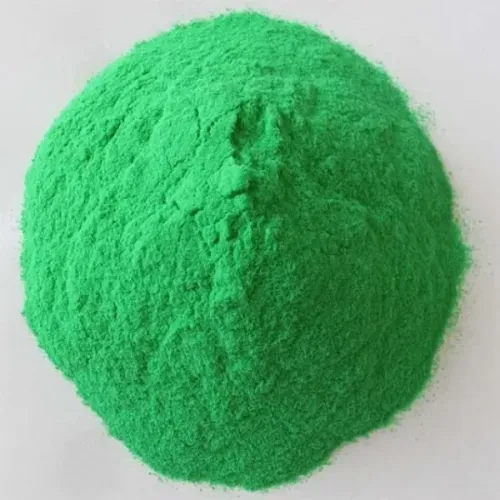
Glass Flake Epoxy coating is a protective coating system formulated by incorporating thin glass flakes into an epoxy resin. During application, these flakes align within the coating layer, forming multiple overlapping barriers that significantly reduce the movement of moisture, oxygen, and corrosive chemicals toward the steel surface.
The epoxy component provides exceptional adhesion and mechanical strength, while the glass flakes enhance the coating's resistance to permeation. Together, they create a highly durable protective system suitable for harsh industrial environments.
This combination makes Glass Flake Epoxy coating an excellent choice for equipment that operates continuously under demanding service conditions.
How It Protects Steel Surfaces
Unlike conventional coatings that mainly rely on coating thickness, Glass Flake Epoxy coating improves protection through its internal structure.
The embedded glass flakes force water and chemicals to travel a much longer path before reaching the steel substrate. This significantly slows corrosion and helps preserve the integrity of the coated surface over extended periods.
At the same time, the epoxy resin forms a strong bond with the prepared steel surface, reducing the likelihood of peeling or coating separation when applied correctly.
Key Benefits of Glass Flake Epoxy Coating
Glass Flake Epoxy coating offers several advantages that contribute to its popularity across industrial sectors.
Some of the key benefits include:
- Excellent corrosion resistance
- High resistance to chemicals
- Strong adhesion to steel
- Reduced moisture penetration
- Good abrasion resistance
- Long service life
- Reliable mechanical performance
- Lower maintenance requirements
These properties help improve equipment reliability while reducing the frequency of maintenance and repairs.
Typical Applications
Glass Flake Epoxy coating is used in industries where equipment operates under challenging environmental conditions.
Common applications include:
- Chemical processing equipment
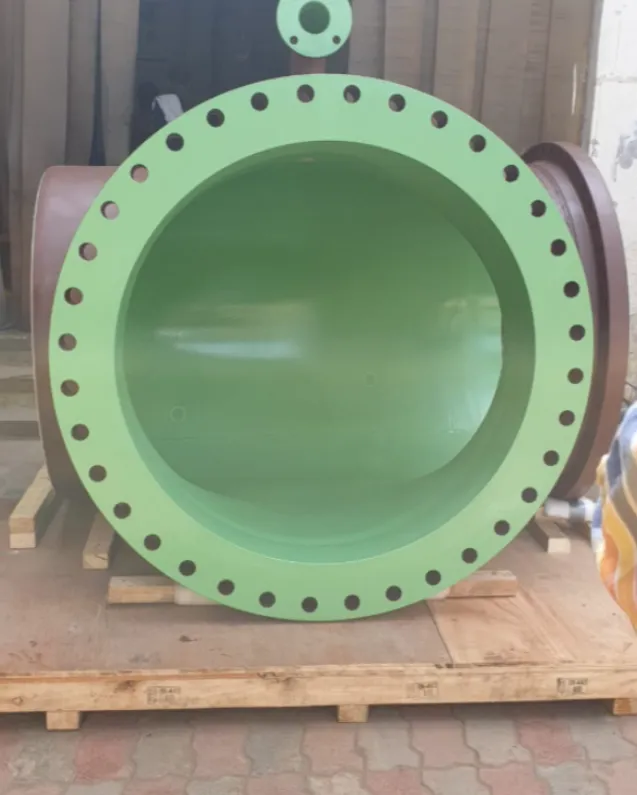
- Storage tanks
- Water treatment plants
- Marine structures
- Offshore platforms
- Petrochemical facilities
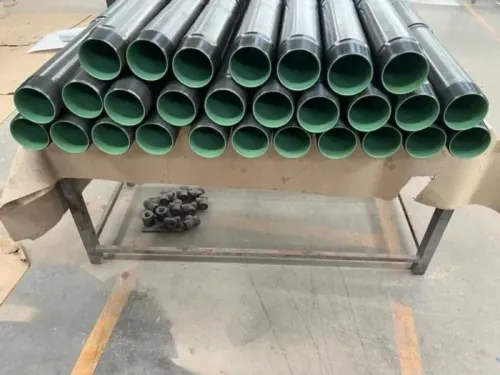
- Industrial pipelines
- Power generation equipment
- Steel structures exposed to corrosive environments
Its versatility allows it to protect a wide variety of steel components across different industries.
Factors That Influence Coating Performance
The long-term success of any coating system depends on proper manufacturing and application practices.
Important factors include:
Surface Preparation
The steel surface must be free from rust, oil, grease, and contaminants before coating begins. Abrasive blasting creates the required surface profile for effective adhesion.
Controlled Application
Maintaining the recommended film thickness and application procedures helps achieve uniform coverage and optimal protective performance.
Proper Curing
Correct curing allows the epoxy resin to fully develop its mechanical and chemical properties.
Quality Inspection
Routine inspections verify coating quality before equipment is placed into service.
Quality Control Procedures
Manufacturers typically perform several inspections during production, including:
- Visual inspection
- Dry film thickness measurement
- Adhesion testing
- Holiday detection
- Cure verification
- Surface cleanliness evaluation
These quality checks help ensure the coating meets project specifications and performs as expected.
Growing Industrial Demand in Ahmedabad
Ahmedabad continues to expand as a major manufacturing and engineering hub within Gujarat. Industries such as chemicals, pharmaceuticals, fabrication, infrastructure, water treatment, and heavy engineering increasingly require advanced corrosion protection systems that improve equipment longevity while reducing operational costs.
Experienced manufacturers such as Heatman Products Pvt Ltd support these industrial requirements by providing specialised coating solutions developed to meet demanding application standards and quality expectations.
Choosing the Right Coating Solution
Every industrial project presents different environmental and operational challenges. Factors such as chemical exposure, humidity, operating temperatures, maintenance accessibility, and expected service life should all influence coating selection.
Glass Flake Epoxy coating remains one of the most effective options for protecting valuable steel assets because it combines outstanding adhesion, enhanced barrier protection, and long-term durability. When applied using controlled manufacturing processes and supported by comprehensive quality inspections, it helps industries maximise equipment performance while reducing lifecycle maintenance costs.
Keywords