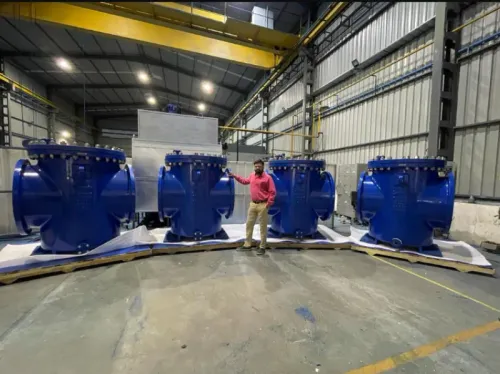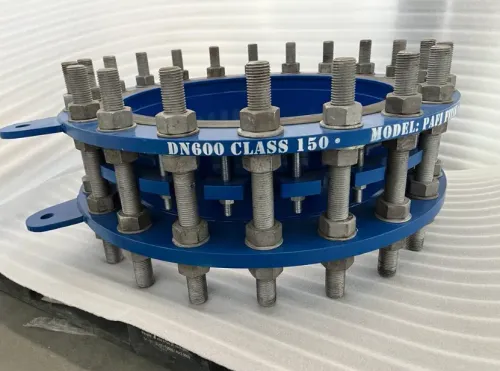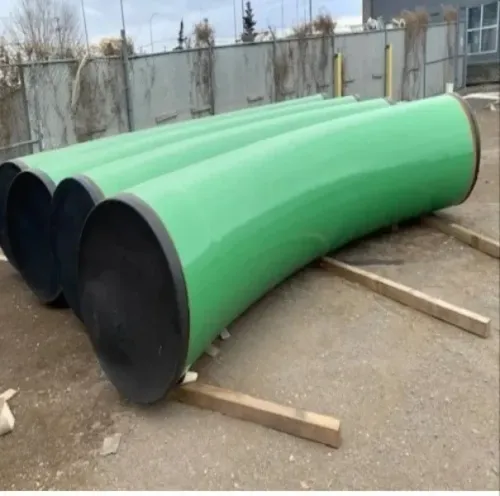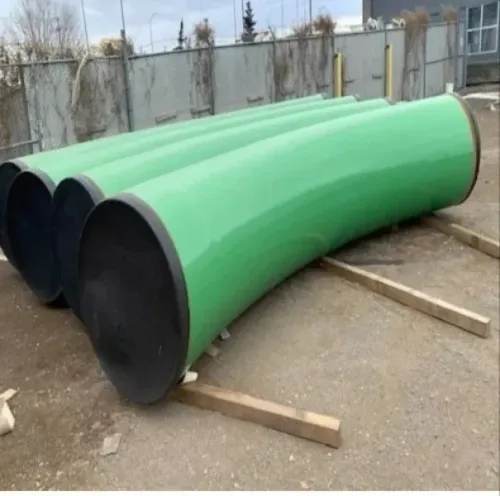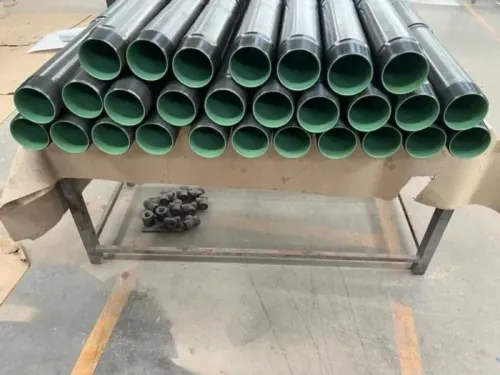
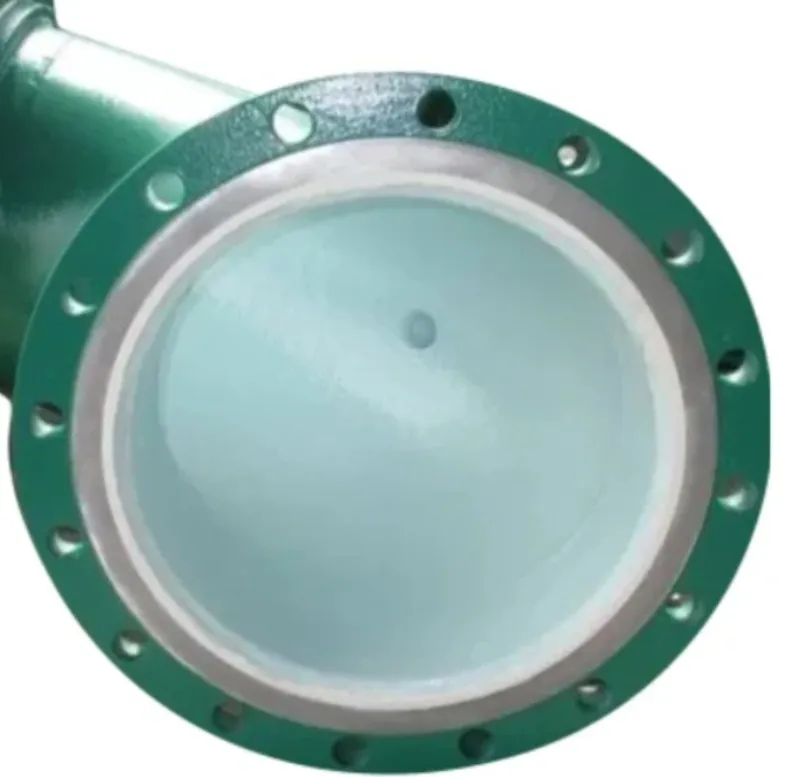
Industrial equipment and steel infrastructure often operate in some of the harshest environments imaginable. Offshore platforms, chemical processing plants, marine facilities, storage tanks, and pipelines are constantly exposed to moisture, aggressive chemicals, salt-laden air, and fluctuating temperatures. Under these conditions, conventional protective coatings may not always provide the level of durability required. This is where Glass Flake coating offers a significant advantage.
Designed to deliver enhanced barrier protection, Glass Flake coating is widely used in industries where long-term corrosion resistance is essential. Its unique composition helps reduce the penetration of moisture and corrosive substances, extending the service life of steel assets while lowering maintenance requirements.
What Is Glass Flake Coating?
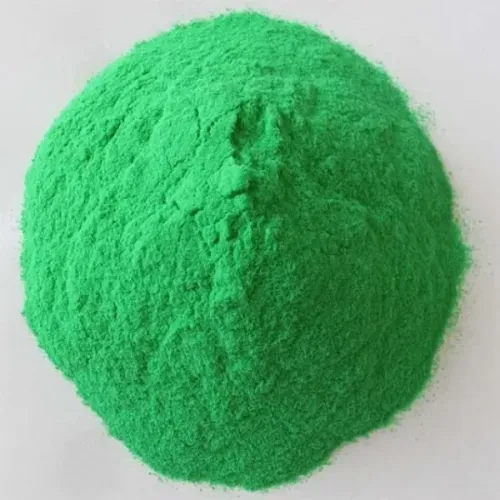
Glass Flake coating is a high-performance protective coating that contains microscopic glass flakes dispersed within a resin system. When applied to a prepared steel surface, these glass flakes align in overlapping layers, creating a complex path that makes it difficult for water, oxygen, and chemicals to reach the steel substrate.
This structure improves the coating's ability to resist corrosion compared to many conventional coating systems, especially in aggressive industrial environments.
Depending on the application, Glass Flake coating may be formulated with epoxy, vinyl ester, polyester, or other specialised resin systems to achieve specific performance characteristics.
How Glass Flake Technology Works
Unlike standard coatings that rely mainly on thickness for protection, Glass Flake coating uses both thickness and internal structure to improve performance.
The overlapping glass flakes create what is often referred to as a 'tortuous path.' Instead of allowing corrosive agents to move directly toward the steel surface, the flakes force moisture and chemicals to travel a much longer route. This significantly slows down corrosion and improves the coating's protective capability.
The result is a coating system that remains effective even in highly corrosive operating environments.
Key Advantages of Glass Flake Coating
Glass Flake coating offers several performance benefits that make it suitable for demanding industrial applications.
Some of the primary advantages include:
- Excellent corrosion resistance
- High chemical resistance
- Reduced moisture permeability
- Improved abrasion resistance
- Good impact strength
- Enhanced dimensional stability
- Long service life
- Lower maintenance requirements
These characteristics help reduce lifecycle costs while improving equipment reliability.
Common Industrial Applications
Glass Flake coating is used across industries where conventional coatings may struggle to provide adequate protection.
Typical applications include:
- Chemical storage tanks
- Process vessels
- Oil and gas facilities
- Offshore platforms
- Marine structures
- Water treatment plants
- Industrial pipelines
- Power generation equipment
- Steel chimneys and ducts
Its versatility makes it suitable for both new construction and refurbishment projects.
Factors That Influence Coating Performance
Achieving the expected performance from Glass Flake coating requires careful attention throughout the application process.
Surface Preparation
Steel surfaces should be thoroughly cleaned and abrasive blasted to achieve the required surface profile. Proper preparation ensures strong adhesion between the coating and the substrate.
Environmental Conditions
Temperature and humidity should be carefully controlled during application to support proper curing and minimise coating defects.
Correct Film Thickness
Applying the recommended dry film thickness helps achieve the intended level of corrosion protection while maintaining coating integrity.
Skilled Application
Experienced applicators follow manufacturer specifications to ensure uniform coverage and consistent coating quality.
Why Inspection Matters
Quality inspection is an essential part of any industrial coating project.
Typical inspection procedures include:
- Visual examination
- Dry film thickness measurement
- Adhesion testing
- Holiday detection
- Cure verification
- Surface cleanliness checks
These inspections help confirm that the finished coating meets project specifications before equipment is placed into service.
Growing Demand Across Ahmedabad's Industrial Sector
Ahmedabad has established itself as one of Gujarat's leading industrial centres, supporting sectors such as petrochemicals, pharmaceuticals, engineering, water treatment, fabrication, and heavy manufacturing. As industrial facilities continue to expand, businesses increasingly require protective coating systems capable of performing in demanding operating environments.
Manufacturers such as Heatman Products Pvt Ltd support these evolving industrial requirements by offering specialised coating solutions designed for corrosion protection, quality consistency, and long-term operational reliability.
Choosing the Right Protective Coating
Every industrial environment presents unique challenges. Factors such as chemical exposure, operating temperature, humidity, abrasion, and expected service life should all be considered before selecting a coating system.
Glass Flake coating remains a preferred choice for projects where enhanced corrosion resistance and long-term durability are priorities. When combined with proper surface preparation, controlled application, and thorough quality inspection, it provides dependable protection that helps industries reduce maintenance costs and maximise the lifespan of valuable steel infrastructure.
Keywords