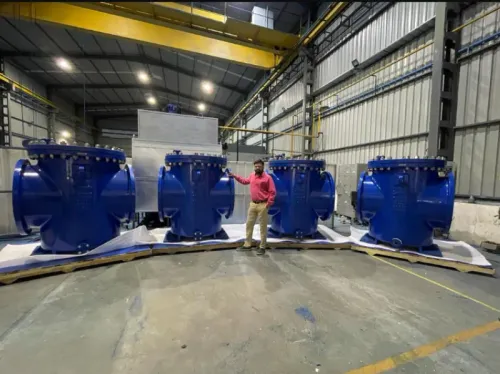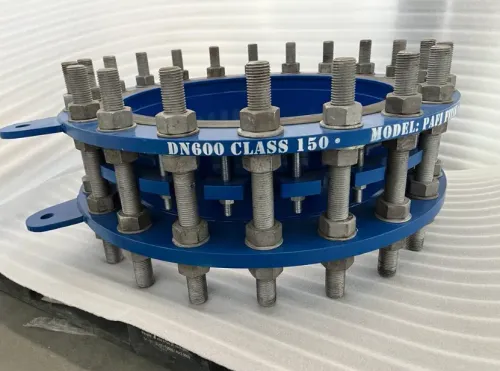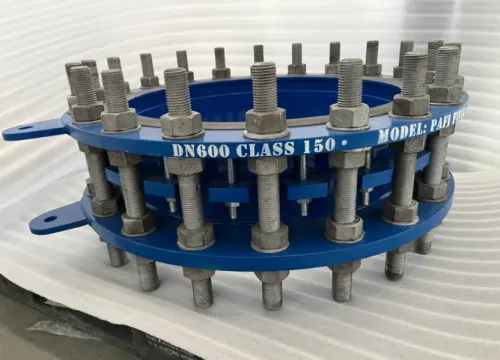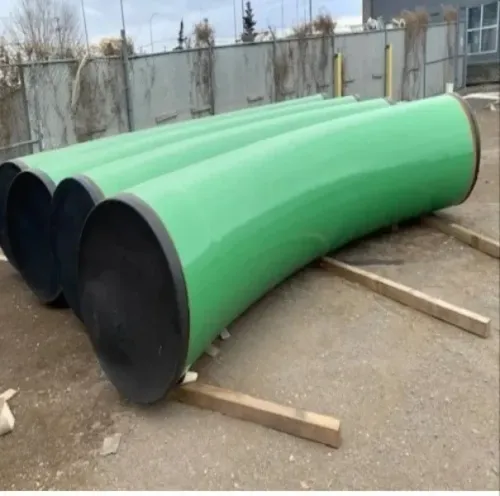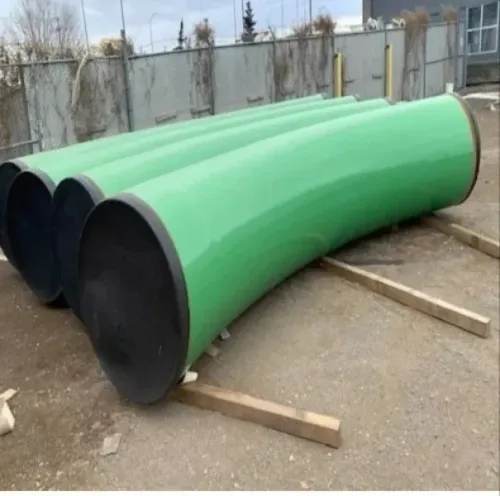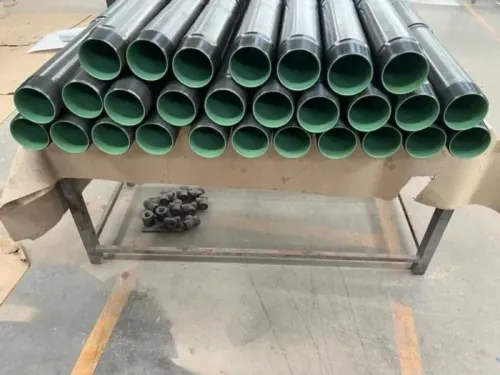
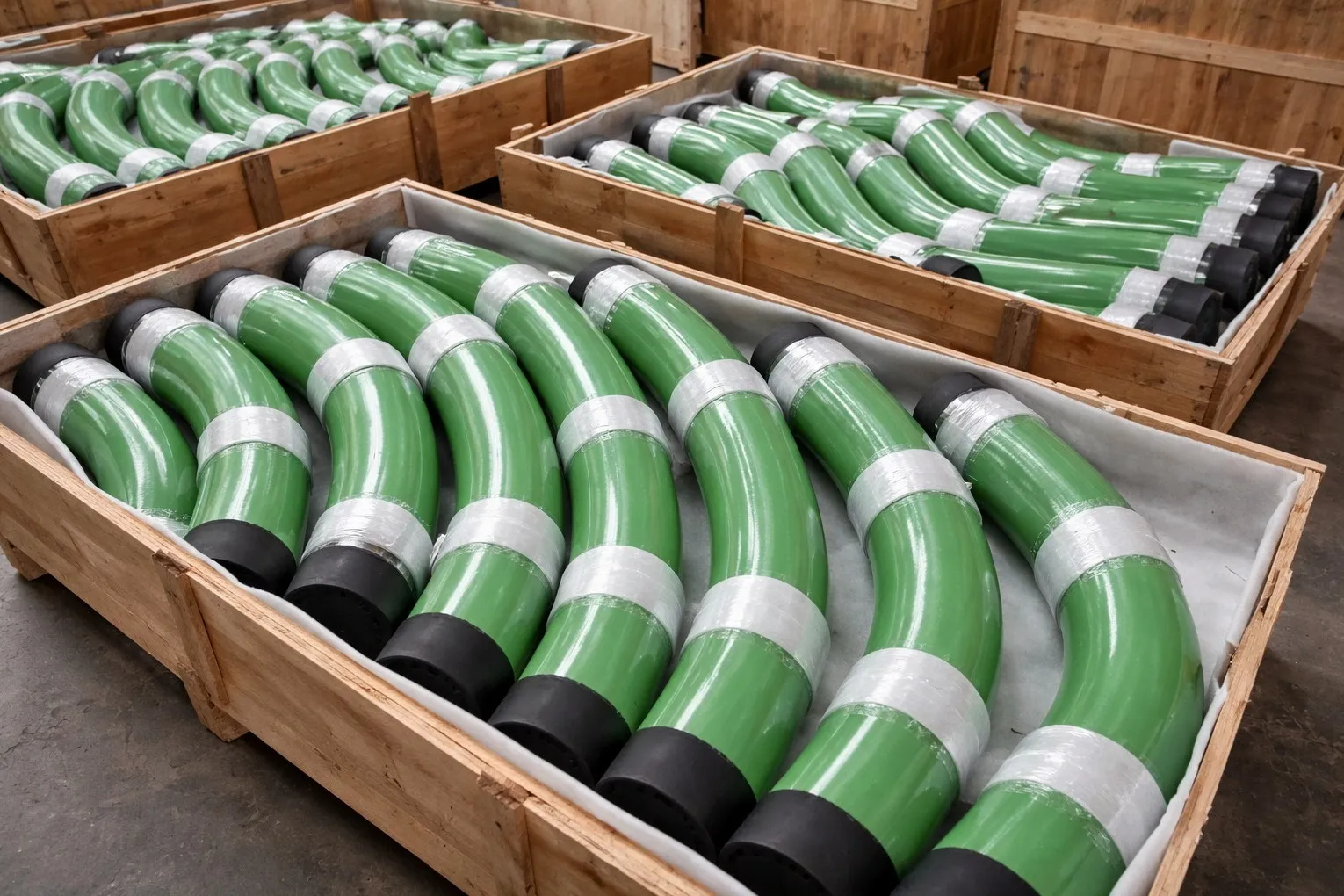
Steel pipelines and industrial components are constantly exposed to environmental conditions that can shorten their service life if left unprotected. Corrosion, moisture, chemicals, and mechanical stress are common challenges across industries such as oil and gas, water treatment, petrochemicals, and infrastructure. This is why fusion bond coating has become one of the most trusted protective solutions for steel surfaces.
Choosing the right coating is not only about preventing corrosion but also about ensuring long-term operational reliability and reducing maintenance costs. Understanding where fusion bond coating performs best helps project owners, engineers, and procurement professionals make informed decisions.
What Is Fusion Bond Coating?
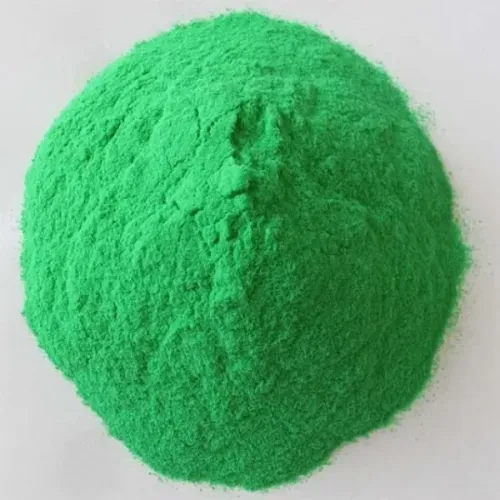
Fusion bond coating is a thermosetting epoxy powder coating applied to steel that has been heated to a controlled temperature. Once sprayed, the powder melts, flows across the surface, and chemically cures to create a continuous protective layer.
Unlike conventional liquid coatings, fusion bond coating forms a strong bond with the steel itself. This creates a highly durable barrier that protects against corrosion, moisture, chemicals, and environmental wear.
The coating process is carried out under controlled manufacturing conditions to ensure consistency in thickness, adhesion, and curing.
Why Industries Choose Fusion Bond Coating
Industrial assets often operate in demanding environments where protective coatings must perform reliably for many years.
Fusion bond coating offers several advantages, including:
- Excellent corrosion resistance
- Strong adhesion to steel
- High resistance to moisture penetration
- Good chemical resistance
- Uniform coating thickness
- Low maintenance requirements
- Long operational life
- Reliable performance in underground and above-ground applications
These characteristics have made it a preferred choice for critical infrastructure projects worldwide.
Industries That Benefit Most
Fusion bond coating is widely used across sectors where steel protection is essential.
Common applications include:
- Oil and gas transmission pipelines
- Municipal water supply networks
- Fire protection systems
- Petrochemical processing plants
- Industrial fabrication
- Structural steel
- Offshore installations
- Utility infrastructure
Its versatility allows it to perform effectively across a wide range of operating conditions.
How to Select the Right Coating
Every project has different technical requirements, so coating selection should be based on performance rather than assumptions.
Consider the following factors:
Environmental Exposure
Will the coated component operate underground, outdoors, underwater, or inside industrial facilities? Environmental conditions influence coating performance requirements.
Operating Temperature
Some industrial processes expose steel to elevated temperatures. Selecting a coating designed for the expected operating range improves long-term reliability.
Chemical Contact
Pipelines carrying chemicals or aggressive fluids require coatings that can withstand continuous exposure without degrading.
Mechanical Protection
During transportation and installation, coated products may experience impacts or abrasion. A durable coating helps minimise damage before commissioning.
Industry Standards
Many projects specify coating requirements according to recognised international standards. Compliance ensures consistency and confidence throughout the supply chain.
Why Surface Preparation Matters
Even the best coating material cannot compensate for poor surface preparation.
Proper preparation typically includes:
- Removal of contaminants
- Abrasive blasting
- Surface profile creation
- Cleaning before coating
- Temperature verification
These steps allow the coating to bond correctly and perform as intended throughout its service life.
Inspection Ensures Long-Term Reliability
Quality inspection is an essential part of every coating project.
Manufacturers commonly perform:
- Dry film thickness measurement
- Adhesion testing
- Holiday detection
- Visual inspection
- Cure verification
These inspections help identify any inconsistencies before products leave the coating facility.
Industrial Growth in Ahmedabad Driving Demand
Ahmedabad continues to play a significant role in Gujarat's industrial development. With strong sectors such as engineering, fabrication, pharmaceuticals, chemicals, water infrastructure, and energy, there is growing demand for advanced corrosion protection technologies.
Manufacturers and project developers increasingly prioritise coating systems that reduce maintenance while extending the lifespan of steel assets.
Companies like Heatman Products Pvt Ltd contribute to these industrial requirements by offering specialised coating solutions designed to support modern engineering applications with consistent quality and controlled manufacturing processes.
Choosing a Reliable Coating Partner
A coating system is only as effective as the process behind it. Selecting an experienced manufacturer with established quality control procedures can significantly improve coating performance.
Look for providers that offer:
- Technical expertise
- Modern coating facilities
- Controlled application processes
- Comprehensive inspection procedures
- Experience across multiple industries
Fusion bond coating remains one of the most dependable solutions for protecting steel against corrosion, helping industries improve operational reliability while reducing long-term maintenance costs.
Keywords