Selecting the right protective coating is an important decision for industries that depend on steel pipelines, storage systems, and fabricated components. The coating directly influences corrosion resistance, maintenance costs, and the overall service life of the asset. Fusion Bond Coating has become a preferred solution for many industrial projects, but understanding how it compares with conventional protective coatings helps buyers make informed decisions.
With Ahmedabad serving as a major manufacturing and engineering hub in Gujarat, project consultants and procurement teams frequently evaluate coating systems based on performance rather than initial cost alone.
What Is Fusion Bond Coating?
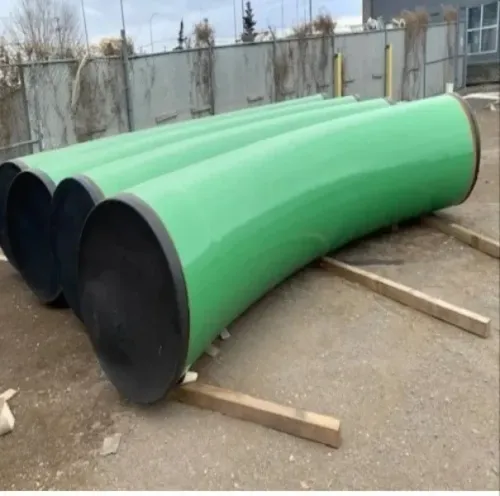
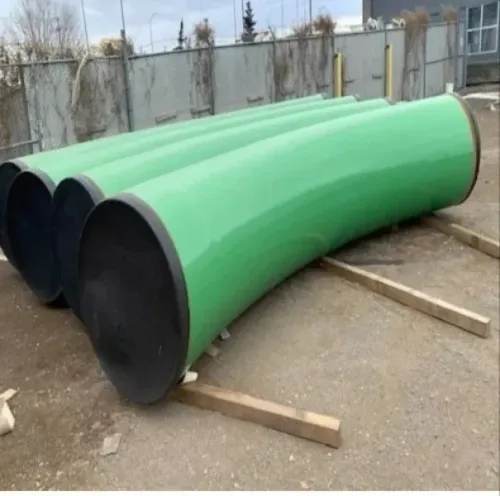
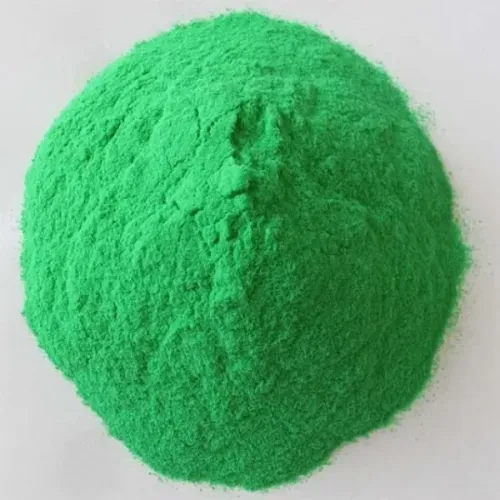
Fusion Bond Coating is a powder-based epoxy coating applied to heated steel surfaces. Once the powder melts and cures, it forms a tightly bonded protective layer that resists corrosion, moisture, and chemical exposure.
Traditional coatings, on the other hand, are often liquid-based systems that may require multiple coats and longer curing times to achieve similar protection.
Key Differences Between the Two
While both systems aim to protect steel, they differ in several ways.
Feature
Fusion Bond Coating
Conventional Coatings
Application
Powder applied on heated steel
Liquid paint or coating
Adhesion
Excellent chemical bond
Mechanical adhesion
Corrosion Resistance
High
Depends on coating type
Maintenance
Lower
May require frequent touch-ups
Uniformity
Consistent coating thickness
Can vary between coats
The best choice depends on project specifications, operating conditions, and expected service life.
When Fusion Bond Coating Is the Better Choice
This coating is commonly selected when projects require:
- Underground pipelines
- Water transmission systems
- Oil and gas infrastructure
- Long-term corrosion protection
- Reduced maintenance intervals
- High adhesion to steel
These characteristics make it particularly suitable for demanding industrial environments.
Points to Consider Before Selecting a Coating
Before finalizing a coating specification, evaluate:
- Environmental exposure
- Operating temperature
- Soil conditions
- Chemical contact
- Installation method
- Maintenance expectations
Reviewing these factors early helps prevent premature coating failures.
Selecting a Reliable Manufacturing Partner
Consistent coating performance depends on manufacturing quality as much as material selection. Heatman Products Pvt Ltd manufactures protective coating solutions for industrial clients in Ahmedabad, following controlled application and inspection processes to support diverse engineering projects.
Choosing the appropriate coating system should always balance technical performance, project lifespan, and maintenance requirements rather than focusing only on upfront costs.
Keywords