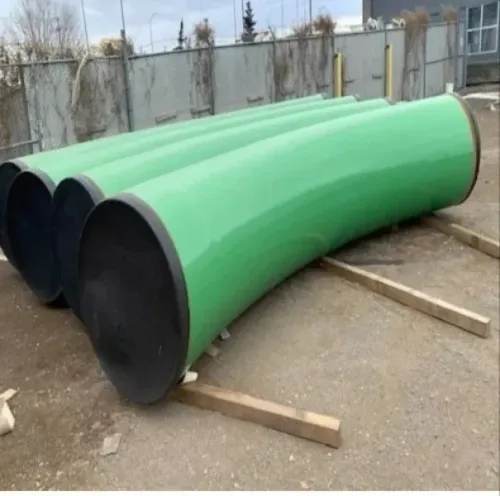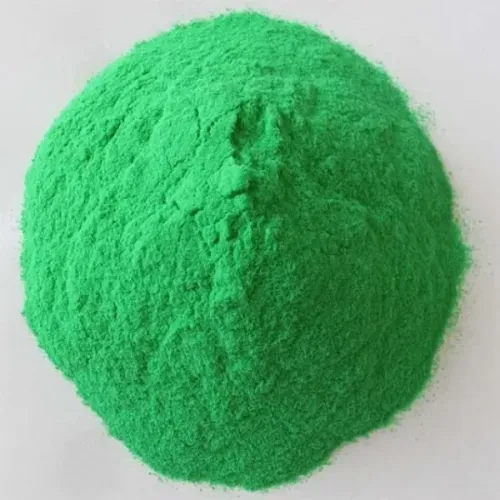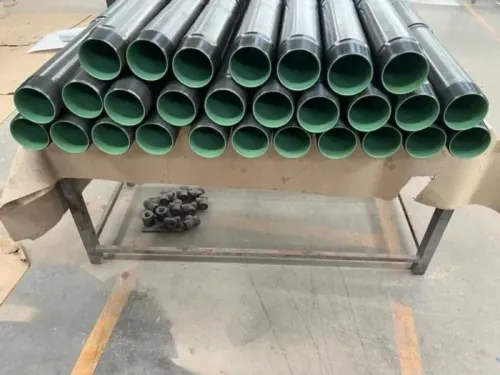
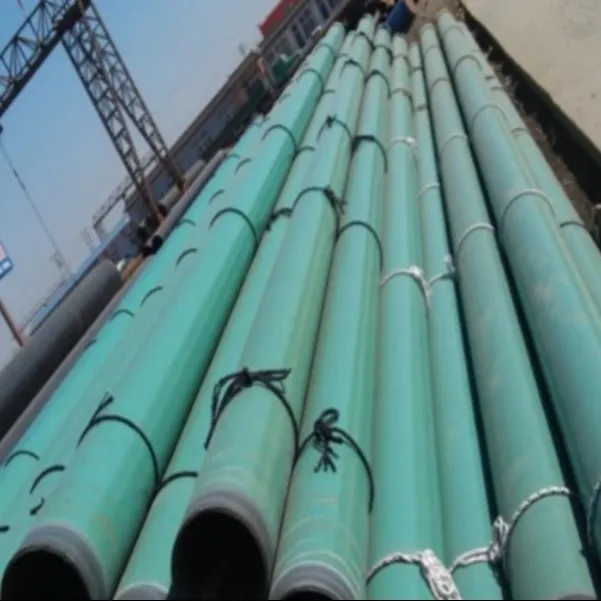
Protective coatings are an essential part of modern industrial infrastructure, especially where steel components are exposed to moisture, chemicals, soil, or harsh weather conditions. While much attention is given to the coating process itself, the quality of the FBE powder used during application is equally important. The right powder formulation contributes significantly to corrosion resistance, adhesion, and the overall lifespan of coated products.
Whether the application involves pipelines, valves, fittings, or fabricated steel structures, understanding what makes a high-quality FBE powder can help engineers, procurement teams, and project managers make informed decisions.
What Is FBE Powder?
FBE powder, short for Fusion Bonded Epoxy powder, is a thermosetting epoxy material applied to heated steel using electrostatic spray equipment. When the powder comes into contact with the heated surface, it melts, flows evenly, and cures to form a hard, protective coating.
Unlike liquid coatings, FBE powder contains no solvents. This allows for efficient application while producing a durable coating that bonds directly with the steel surface.
The finished coating acts as a protective barrier against corrosion, chemicals, moisture, and mechanical damage, making it suitable for demanding industrial environments.
Why Powder Quality Matters
The performance of an FBE coating depends not only on application techniques but also on the consistency and quality of the powder itself.
Poor-quality powder may result in:
- Uneven coating thickness
- Weak adhesion
- Surface defects
- Reduced impact resistance
- Lower corrosion protection
- Shorter service life
Using a high-quality powder helps achieve a uniform coating that performs reliably throughout the product's operational life.
Important Characteristics of Good FBE Powder
When evaluating coating materials, several properties deserve close attention.
Particle Size Distribution
Uniform particle size supports consistent electrostatic spraying and helps produce an even coating thickness.
Flow Characteristics
The powder should melt and flow smoothly during curing to create a continuous protective film without pinholes or rough areas.
Adhesion Performance
A quality FBE powder forms a strong chemical bond with properly prepared steel surfaces, reducing the risk of peeling or delamination.
Chemical Resistance
Industrial environments often expose coated products to oils, chemicals, salts, and process fluids. The powder formulation should provide reliable resistance to these substances.
Mechanical Strength
The cured coating should withstand handling, transportation, installation, and operational wear without cracking or chipping easily.
Questions to Ask Before Selecting an FBE Powder
Procurement decisions should involve more than comparing product specifications on paper.
Consider asking:
- Does the powder comply with relevant industry standards?
- Is it suitable for the intended operating temperature?
- Has it been tested for corrosion resistance?
- Does it offer good cathodic disbondment performance?
- Is the manufacturer experienced in industrial coating applications?
- What quality control procedures are followed during production?
These questions help ensure the selected coating system aligns with project requirements.
Common Applications
FBE powder is used across numerous industries because of its versatility and proven performance.
Typical applications include:
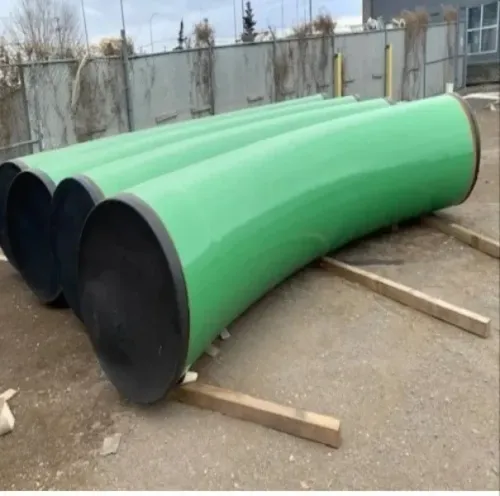
- Oil and gas transmission pipelines
- Water supply systems
- Fire protection pipelines
- Petrochemical plants
- Structural steel fabrication
- Industrial storage tanks
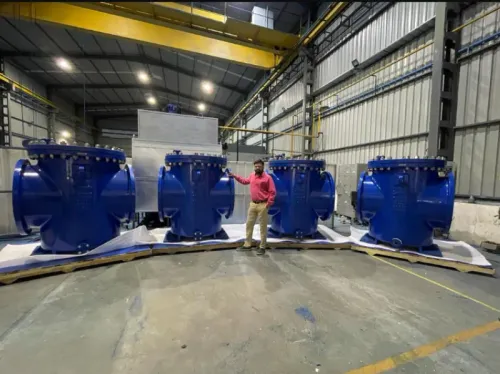
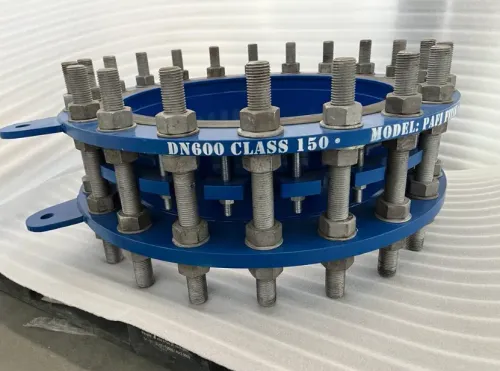
- Valves and pipe fittings
- Utility infrastructure
Its ability to perform in underground, above-ground, and chemically aggressive environments makes it one of the most widely specified protective coating materials.
Why Manufacturing Standards Matter
Even premium-quality powder requires proper handling and application to deliver expected results.
Reliable manufacturers focus on:
- Controlled storage conditions
- Accurate application temperatures
- Proper surface preparation
- Automated powder application
- Consistent curing cycles
- Comprehensive inspection and testing
These practices help achieve coating consistency across every production batch.
Ahmedabad's Expanding Industrial Demand
Ahmedabad continues to strengthen its position as one of Gujarat's leading manufacturing and engineering centres. Industries involved in energy, infrastructure, chemicals, water management, and heavy fabrication increasingly require protective coatings that offer dependable long-term performance.
As industrial projects become more demanding, coating quality has become a critical factor in ensuring equipment reliability and reducing maintenance costs.
Manufacturers such as Heatman Products Pvt Ltd support these requirements by applying advanced coating processes designed to deliver consistent protection for steel components used in a wide range of industrial applications.
Making an Informed Choice
Selecting the right FBE powder is about understanding both the coating material and the application process. A reliable powder formulation, combined with proper surface preparation and controlled application, creates a coating system capable of protecting valuable industrial assets for many years.
Instead of focusing only on initial cost, businesses should evaluate long-term performance, quality assurance practices, and supplier expertise. Doing so helps maximise the return on investment while improving the durability and reliability of critical infrastructure.
Keywords