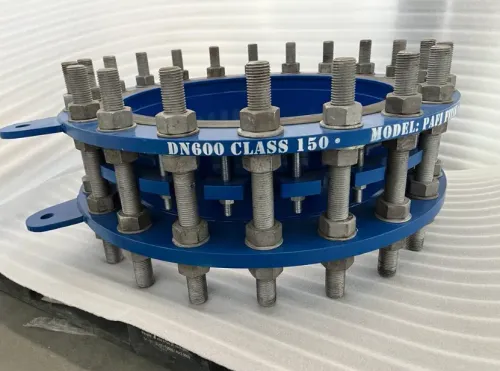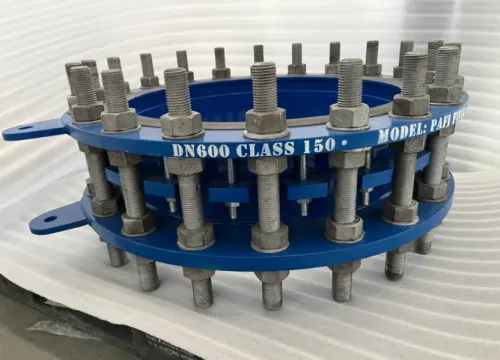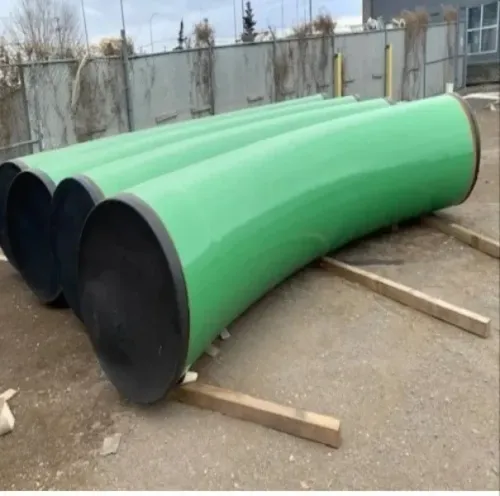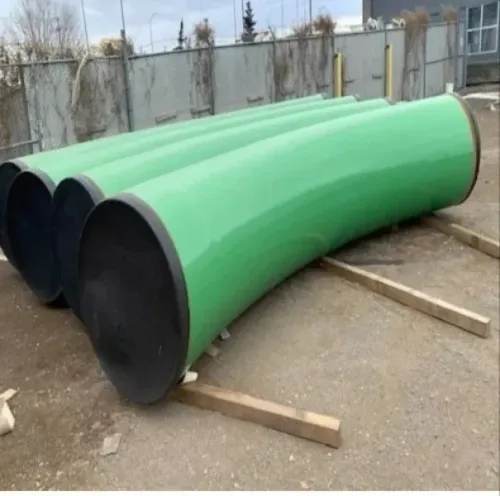
Selecting the right protective coating is one of the most important decisions in any industrial project involving steel pipelines, fittings, valves, or fabricated components. The coating chosen today can directly influence the lifespan of the asset, maintenance costs, operational reliability, and overall project performance for years to come.
Among the various options available, FBE epoxy has earned a strong reputation for corrosion protection. However, many project owners and procurement teams often compare it with alternatives such as liquid epoxy coatings, polyurethane coatings, polyethylene systems, and zinc-based coatings before making a decision.
Understanding the differences between these coating systems helps engineers and buyers choose the most suitable solution based on operating conditions rather than price alone.
What Is FBE Epoxy?
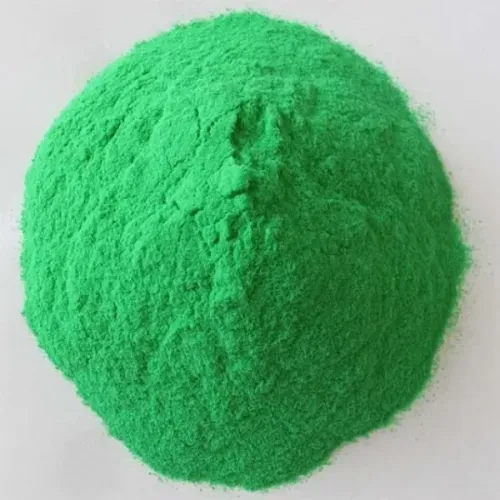
FBE epoxy, or Fusion Bonded Epoxy, is a thermosetting powder coating applied to heated steel surfaces. Once sprayed, the powder melts, flows evenly, and chemically bonds to the steel during the curing process.
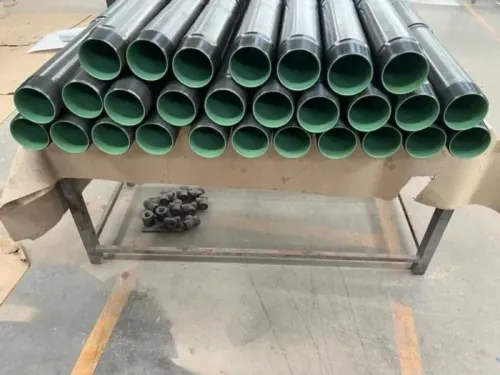
The result is a continuous protective layer that offers strong adhesion, excellent corrosion resistance, and long-term durability. Since the coating becomes an integral part of the metal surface, it performs exceptionally well in demanding industrial environments.
Comparing FBE Epoxy with Other Common Coating Systems
Every coating technology has its strengths, and the right choice depends on where and how the coated component will be used.
FBE Epoxy vs Liquid Epoxy
Liquid epoxy coatings are widely used because they can be applied on-site and are suitable for repairs. However, they usually require multiple coats and longer curing times.
FBE epoxy offers:
- Better adhesion through thermal bonding
- More consistent coating thickness
- Faster factory-controlled application
- Improved resistance to mechanical damage
- Lower risk of coating defects when properly applied
Liquid epoxy remains useful for maintenance work, while FBE epoxy is generally preferred for factory-coated pipelines and components.
FBE Epoxy vs Polyethylene Coating
Polyethylene coatings provide excellent mechanical protection and moisture resistance, particularly for buried pipelines.
However, FBE epoxy offers:
- Superior adhesion to steel
- Better high-temperature performance
- Excellent resistance to cathodic disbondment
- Reliable corrosion protection beneath the coating
In many large pipeline projects, FBE epoxy is also used as the primer beneath multilayer polyethylene systems, combining the strengths of both technologies.
FBE Epoxy vs Zinc Coatings
Galvanized zinc coatings protect steel by sacrificing themselves to corrosion. They are commonly used for structural applications exposed to atmospheric conditions.
FBE epoxy differs because it forms a durable barrier rather than relying on sacrificial protection.
For pipelines carrying fluids underground or in industrial plants, epoxy coatings are often preferred due to their chemical resistance and stronger adhesion.
Factors That Should Influence Your Decision
Instead of choosing a coating based solely on cost, consider the operating environment carefully.
Important questions include:
- Will the equipment be buried underground?
- Is chemical exposure expected?
- Will the coating face mechanical impact during installation?
- What operating temperatures are involved?
- Is long-term corrosion resistance a priority?
- Which industry standards must be followed?
Answering these questions helps narrow down the most suitable coating solution.
Advantages of Choosing FBE Epoxy
Many industrial projects continue to specify FBE epoxy because it delivers a combination of performance characteristics that few coatings can match.
Key advantages include:
- Excellent corrosion resistance
- Strong chemical resistance
- Uniform coating thickness
- High bond strength
- Good flexibility
- Reduced maintenance requirements
- Long operational life
- Environmentally friendly powder application with minimal solvent emissions
These benefits contribute to lower lifecycle costs, particularly for infrastructure expected to remain in service for decades.
Why Application Quality Matters
Even the highest-quality coating material cannot compensate for poor application practices.
Reliable coating performance depends on:
- Proper abrasive blasting
- Correct steel temperature
- Controlled powder application
- Accurate curing
- Thorough inspection
- Compliance with coating specifications
Professional manufacturers invest heavily in process control because even small deviations can reduce coating performance over time.
Ahmedabad's Manufacturing Sector and the Need for Advanced Coatings
Ahmedabad has developed into one of Gujarat's leading engineering and manufacturing hubs, supporting industries such as oil and gas, petrochemicals, water treatment, fabrication, pharmaceuticals, and heavy engineering. As industrial infrastructure expands across the region, businesses increasingly seek coating systems that deliver dependable long-term protection while reducing maintenance costs.
For manufacturers supplying coated steel products to demanding industries, maintaining consistent coating quality is just as important as selecting the right coating technology.
Companies such as Heatman Products Pvt Ltd contribute to these industrial requirements by providing specialized coating solutions supported by controlled manufacturing processes and quality inspection practices.
Making the Right Choice
There is no single coating that suits every industrial application. The best solution depends on environmental exposure, service conditions, project specifications, expected lifespan, and installation requirements.
FBE epoxy continues to be one of the most widely specified protective coatings because it balances corrosion resistance, adhesion, durability, and long-term reliability. For projects where consistent performance and reduced maintenance are priorities, it remains a dependable option that meets the expectations of engineers, consultants, and industrial buyers alike.
Keywords