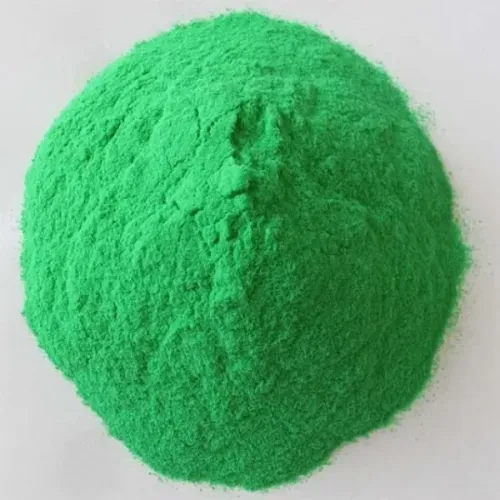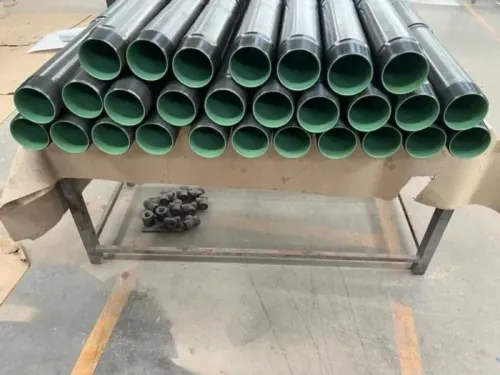
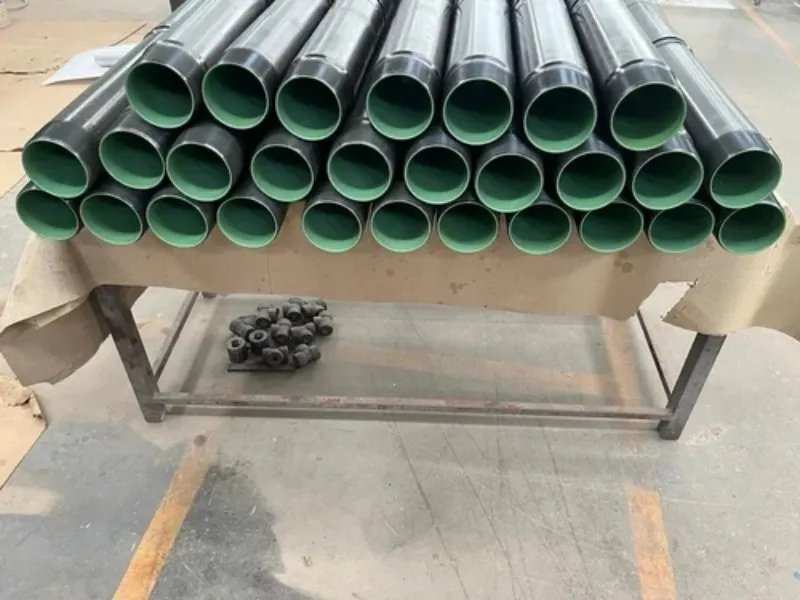
Protective coatings are expected to safeguard steel assets against corrosion, moisture, chemicals, and harsh environmental conditions for many years. However, even a high-quality FBE powder coating can fail prematurely if mistakes occur during preparation, application, or inspection.
Many coating failures are not caused by the coating material itself but by avoidable process errors. Understanding these common issues can help manufacturers, engineers, project consultants, and procurement teams improve coating quality and extend the service life of industrial pipelines and fabricated steel components.
Why Proper Application Is Critical
Fusion Bonded Epoxy powder coating forms a protective barrier by chemically bonding with heated steel. Unlike conventional paints, this coating relies on precise process control to achieve maximum adhesion and durability.
If any stage of the application process is compromised, the coating may develop defects that become visible only after installation or during long-term service.
Preventing these issues begins with understanding the most frequent mistakes.
Mistake 1: Inadequate Surface Preparation
Surface preparation is the foundation of every successful coating project.
If oil, rust, moisture, or contaminants remain on the steel surface, the coating cannot bond effectively.
Proper preparation generally includes:
- Degreasing
- Abrasive blasting
- Dust removal
- Surface cleanliness inspection
- Profile measurement
Skipping these steps significantly increases the risk of coating failure.
Mistake 2: Incorrect Steel Temperature
FBE powder coating depends on the steel being heated within a specific temperature range before application.
If the steel is too cold:
- Powder may not melt properly.
- Adhesion can be reduced.
- Surface finish may become uneven.
If the steel is overheated:
- The coating may cure too quickly.
- Film thickness may become inconsistent.
- Mechanical properties can be affected.
Accurate temperature control is therefore essential throughout production.
Mistake 3: Uneven Coating Thickness
Applying too little coating leaves steel vulnerable to corrosion.
Applying excessive coating can create internal stresses that affect long-term durability.
Maintaining the specified dry film thickness ensures the coating performs as intended while meeting project standards.
Mistake 4: Inadequate Curing
Proper curing allows the epoxy resin to complete its chemical reaction.
Incomplete curing may result in:
- Reduced hardness
- Poor chemical resistance
- Lower adhesion
- Shorter coating lifespan
Manufacturers use carefully controlled curing cycles to achieve consistent performance.
Mistake 5: Ignoring Quality Inspection
Inspection is often the final opportunity to identify defects before coated products leave the facility.
Common inspection procedures include:
- Visual inspection
- Dry film thickness testing
- Holiday detection
- Adhesion testing
- Cure verification
- Surface profile evaluation
These tests help ensure the finished coating meets customer specifications and industry requirements.
Mistake 6: Improper Handling After Coating
Even after successful application, coated products can be damaged during storage, transportation, or installation.
To minimise damage:
- Use suitable lifting equipment.
- Protect coated surfaces from impact.
- Store products in clean, dry environments.
- Follow handling recommendations throughout logistics.
Careful handling preserves coating integrity until the product reaches its final installation site.
The Cost of Avoidable Errors
Small mistakes during coating can lead to significant long-term consequences, including:
- Premature corrosion
- Costly repairs
- Pipeline leaks
- Increased maintenance
- Operational downtime
- Reduced asset lifespan
Investing in quality-controlled manufacturing often proves more economical than addressing coating failures after installation.
Supporting Industrial Projects Across Ahmedabad
Ahmedabad's rapidly growing industrial sector depends on reliable protective coatings for pipelines, fabrication projects, and engineering infrastructure. Businesses across Gujarat increasingly recognise that consistent coating quality directly influences operational efficiency and lifecycle costs.
Experienced manufacturers such as Heatman Products Pvt Ltd focus on controlled coating processes, modern equipment, and comprehensive quality inspections to support industrial projects requiring dependable corrosion protection.
Building Long-Term Performance
Successful FBE powder coating is the result of careful planning, quality materials, trained personnel, and disciplined process control. Every stage—from surface preparation to final inspection—plays a role in determining how well the coating performs over the years.
By avoiding common application mistakes and working with experienced coating specialists, industries can significantly improve the reliability, safety, and longevity of steel infrastructure while reducing maintenance requirements over the asset's operational life.
Keywords