Maintaining water quality while protecting the internal surface of steel pipelines is an important requirement for water transmission systems. Over time, untreated steel can corrode internally, affecting both pipeline durability and the quality of the water being transported. Cement lining offers an effective solution by creating a protective internal barrier that improves pipeline performance and extends service life.
Used extensively in municipal water supply, irrigation, and industrial water distribution systems, cement lining has remained a reliable technology for decades.
What Is Cement Lining?
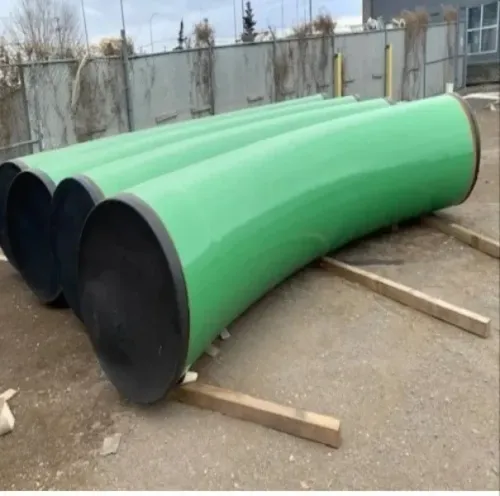
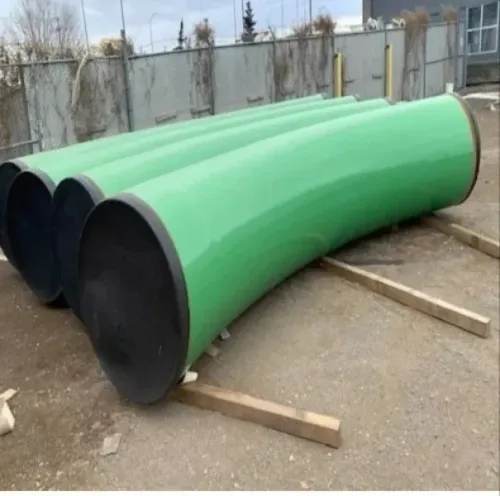
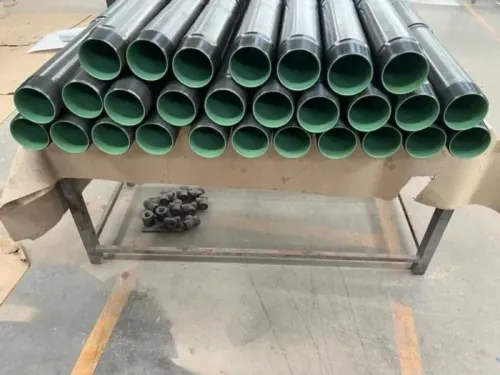
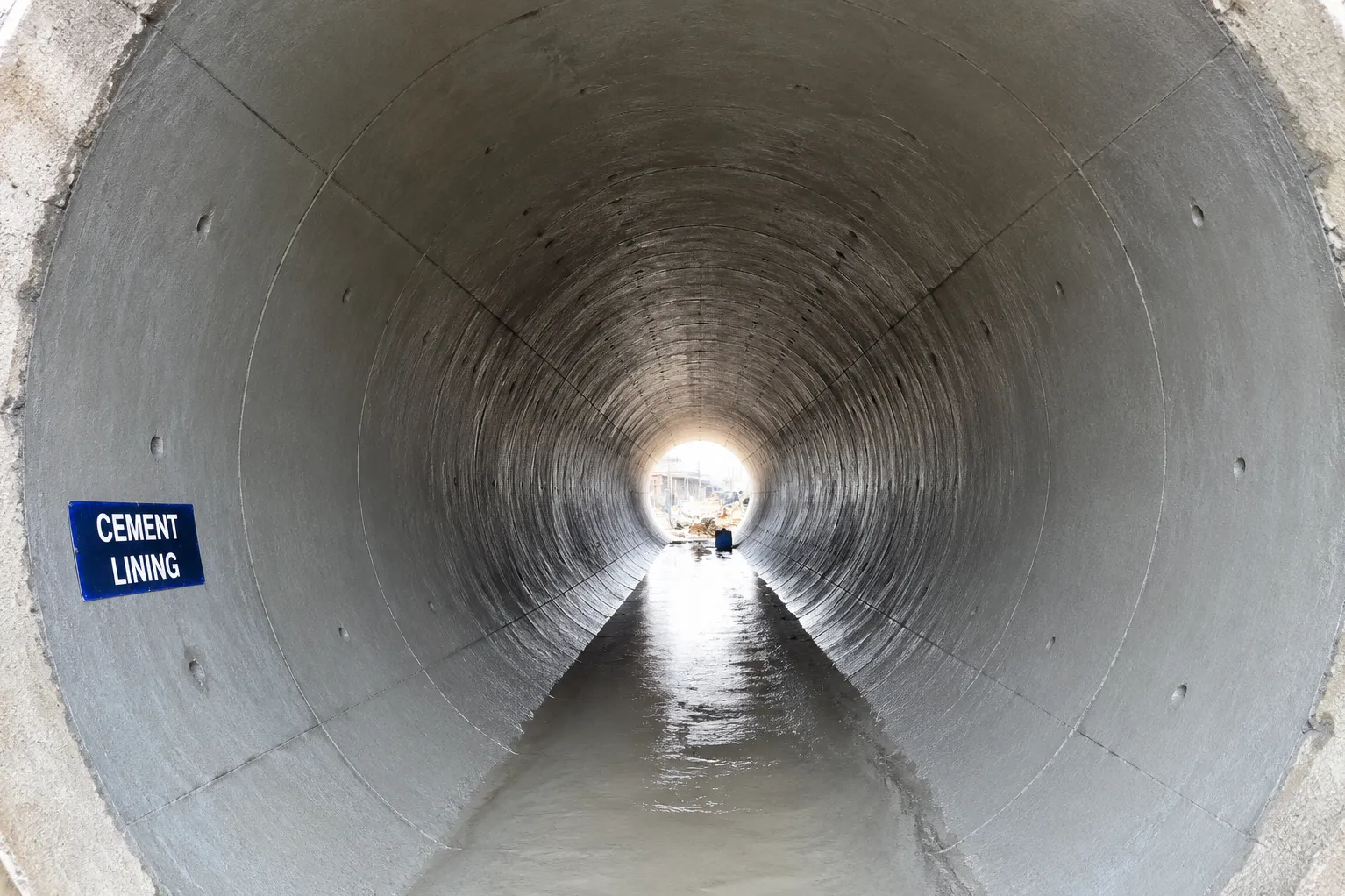
Cement lining is the application of a cement mortar layer to the inside surface of steel pipes. The lining forms a smooth, protective barrier between the transported water and the steel pipe.
This protective layer helps reduce direct contact with the metal, minimising internal corrosion while maintaining efficient water flow.
Unlike external coatings that protect against environmental exposure, cement lining focuses on preserving the internal condition of the pipeline.
Why Internal Protection Is Important
Internal corrosion can gradually weaken pipelines and create operational problems.
Potential consequences include:
- Reduced pipeline lifespan
- Increased maintenance costs
- Lower water flow efficiency
- Internal scaling
- Higher repair frequency
- Water quality concerns
A properly applied cement lining helps reduce these risks by providing long-term internal protection.
Benefits of Cement Lining
Several advantages have contributed to its continued use across water infrastructure projects.
Key benefits include:
- Protection against internal corrosion
- Improved hydraulic performance
- Reduced friction losses
- Smooth internal pipe surface
- Long operational lifespan
- Lower maintenance requirements
These characteristics support reliable water transportation over extended periods.
Where Cement Lining Is Commonly Used
Typical applications include:
- Municipal water supply pipelines
- Irrigation systems
- Industrial water transmission
- Pumping stations
- Water treatment plants
- Infrastructure projects
- Utility distribution networks
Its ability to maintain water quality while protecting pipeline interiors makes it suitable for both public and industrial applications.
Factors That Influence Performance
The effectiveness of cement lining depends on proper manufacturing and quality control.
Important factors include:
Surface Preparation
The steel surface must be thoroughly cleaned before lining application.
Correct Lining Thickness
Uniform thickness provides consistent protection throughout the pipeline.
Controlled Curing
Adequate curing allows the cement mortar to achieve its designed strength and durability.
Inspection Procedures
Finished pipelines undergo inspections to verify lining quality, thickness, and continuity before installation.
Supporting Water Infrastructure in Ahmedabad
Ahmedabad's continued urban development and industrial expansion have increased the demand for dependable water infrastructure. Municipal projects, industrial facilities, and utility providers require pipeline systems capable of delivering reliable long-term performance with minimal maintenance.
Manufacturers such as Heatman Products Pvt Ltd support these infrastructure requirements by providing specialised coating and lining solutions for steel pipelines used across a variety of industrial and public utility applications.
Choosing the Right Pipeline Protection System
Internal and external protection work together to maximise pipeline performance. While external coatings defend against environmental exposure, cement lining protects the internal surface and supports efficient water transportation.
Project planners should consider:
- Water quality requirements
- Expected service life
- Operating conditions
- Pipeline diameter
- Inspection standards
- Manufacturing quality
Selecting an appropriate lining system helps improve pipeline reliability while reducing lifecycle maintenance costs. For water infrastructure projects where long-term durability and consistent performance are priorities, cement lining remains one of the most practical and widely adopted internal protection methods.
Keywords