Steel pipelines used in water transmission and infrastructure projects require more than corrosion resistance alone. They also need mechanical protection to withstand handling, transportation, installation, and environmental stress. Cement coating has become an effective solution for protecting external pipeline surfaces while improving durability in demanding applications.
Widely used across municipal, industrial, and infrastructure projects, cement coating offers additional protection against physical damage while supporting the long-term performance of buried pipelines.
What Is Cement Coating?
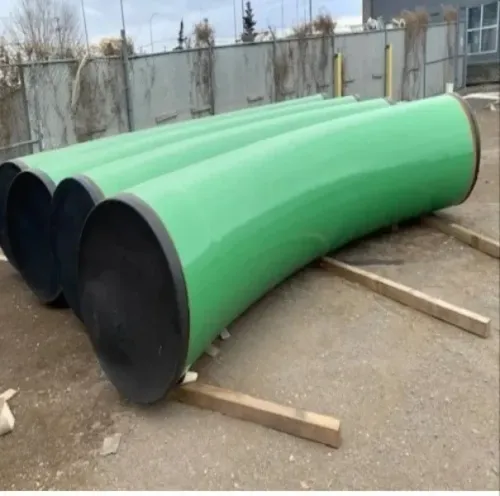
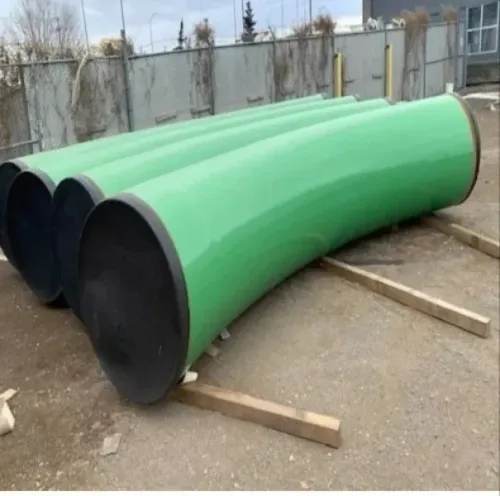
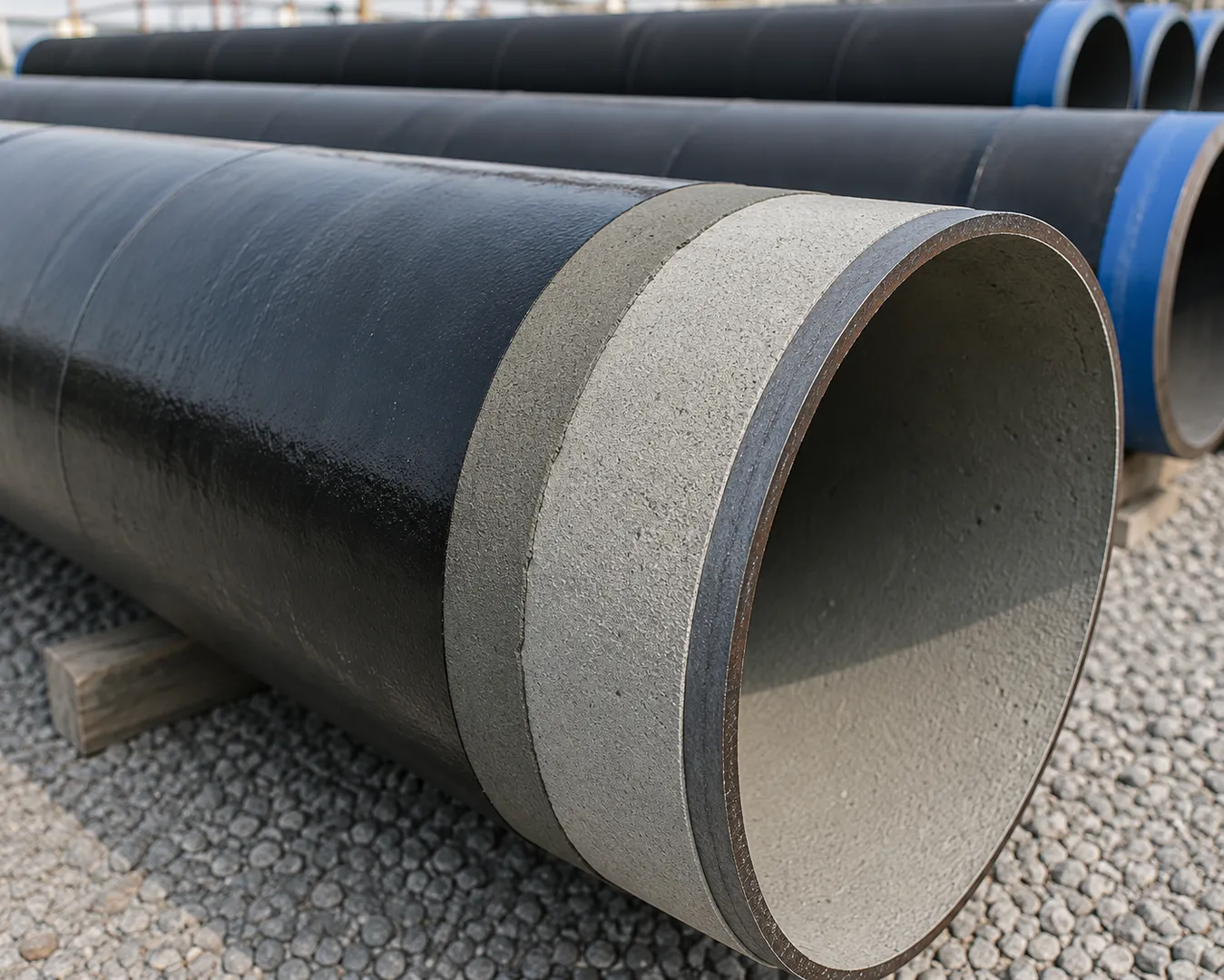
Cement coating is an external protective layer applied over coated steel pipelines. It typically consists of a cement mortar mixture reinforced around the pipe to provide mechanical strength and impact resistance.
Unlike corrosion-resistant coatings such as Fusion Bonded Epoxy, cement coating primarily serves as a physical protective layer that shields pipelines from external damage during installation and operation.
In many projects, both systems work together, with epoxy protecting against corrosion and cement providing additional mechanical protection.
Why Cement Coating Is Used
Underground pipelines often face challenging conditions during transportation, installation, and backfilling.
Cement coating helps by:
- Protecting against impact damage
- Reducing coating damage during handling
- Providing additional weight for underwater installations
- Improving mechanical durability
- Supporting long-term pipeline stability
These benefits make it particularly valuable in large infrastructure projects.
Common Applications
Cement coating is widely used for:
- Drinking water transmission pipelines
- Irrigation systems
- Cross-country water pipelines
- Marine pipelines
- River crossing projects
- Industrial water distribution systems
- Infrastructure development
Its versatility allows it to support projects requiring both corrosion resistance and external mechanical protection.
Key Advantages
Several characteristics contribute to the popularity of cement coating.
These include:
- Excellent mechanical strength
- Protection against external impacts
- Increased pipeline stability
- Improved resistance during transportation
- Long service life
- Compatibility with corrosion-resistant coating systems
Together, these advantages help improve the durability of pipeline infrastructure.
Important Factors During Application
Achieving consistent cement coating performance requires proper manufacturing practices.
Critical considerations include:
Surface Preparation
The underlying steel surface and corrosion-resistant coating must be prepared correctly before cement application.
Uniform Thickness
Maintaining consistent coating thickness helps achieve balanced mechanical protection across the pipeline.
Proper Curing
Controlled curing allows the cement layer to develop its intended strength and durability.
Quality Inspection
Manufacturers verify coating dimensions, appearance, adhesion, and structural integrity before dispatch.
Challenges Without Cement Coating
Pipelines that lack sufficient external mechanical protection may experience:
- Surface damage during transportation
- Impact-related coating defects
- Increased maintenance
- Reduced service life
- Higher repair costs
Using cement coating helps reduce these risks, particularly for large-diameter water transmission projects.
Supporting Infrastructure Development in Ahmedabad
Ahmedabad and the wider Gujarat region continue to invest in water supply networks, industrial infrastructure, and public utility projects. As these developments expand, durable pipeline protection systems become increasingly important for ensuring reliable long-term performance.
Manufacturers with specialised coating capabilities, such as Heatman Products Pvt Ltd, support these infrastructure requirements by providing coating solutions designed to improve pipeline durability under demanding operating conditions.
Selecting the Right Manufacturing Partner
Choosing an experienced coating provider contributes significantly to project success.
Consider evaluating:
- Manufacturing experience
- Quality assurance procedures
- Application equipment
- Inspection capabilities
- Compliance with project specifications
Cement coating continues to play an important role in protecting steel pipelines, particularly where mechanical durability is essential alongside corrosion-resistant coating systems.
Keywords